Well-Formed Outcomes
A guide to creating meaningful and achievable change
What, exactly, do you want?
These few questions can be key for us to identify goals more clearly and crack open any resistances, conscious and subconscious, that we might have about changing something.
We may, at the end of doing this exercise, decide we don't actually want what we thought we wanted. That's fine. That's great, if it stops us embarking on a course that will be more trouble to us than it's worth.
We may, instead, come away more determined than ever to make this thing happen.
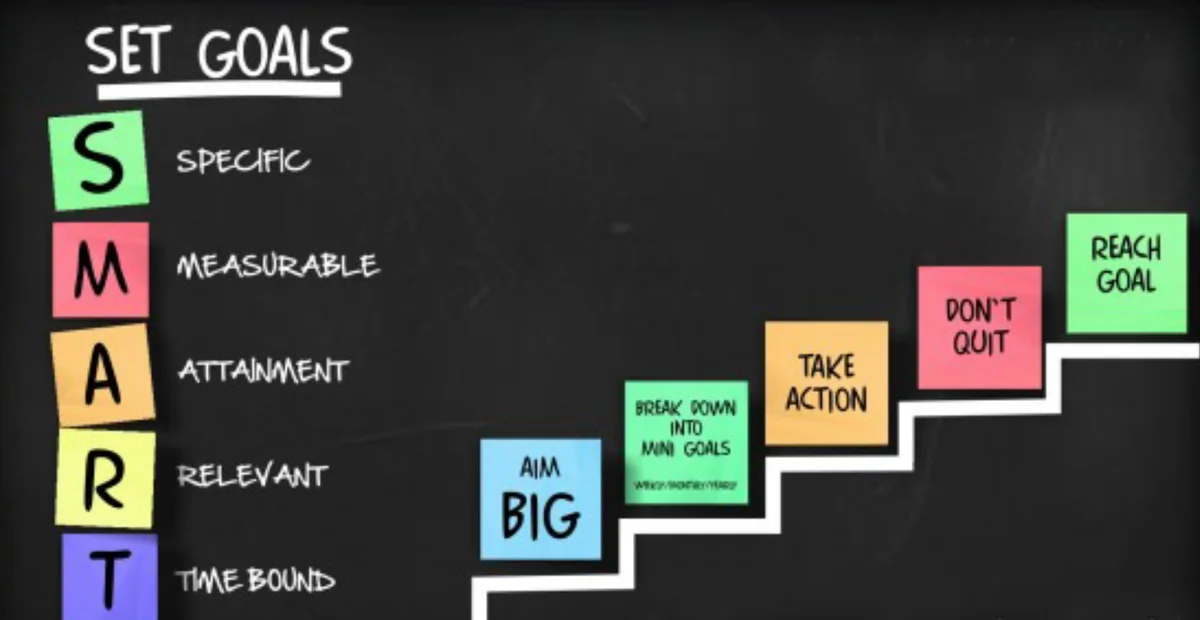
The 7 Criteria for Well-Formed Outcomes

1. Stated in the Positive
It's extremely important to state your goals as a positive thing you are going to do, rather than something you're not going to do. If I ask you not to think about a polar bear sipping a beer by the pool, I bet you've got deck chairs, sunglasses and everything—your brain can't process a negative, it can only make a picture and put a red X through it.
Say: "I want to feel relaxed and confident"
Rather than: "I don't want to feel scared"
2. Exact and Specific
The importance of accuracy and exactness cannot be overstated. For example, if you say "I want to ride better," that's such a wide remit you may come unstuck. "I want to be able to reliably ride a canter transition while keeping my balance" is a better goal.
Notice how you might say, "I want to be able to hack out" but really you mean, "I'd like to enjoy hacking out, feeling relaxed, on my horse Buck". This helps you identify that you are already "able" to hack out, but going for a hack while holding your breath isn't quite what you're after!
3. Analyze and Question
When you've written each entry, one way you might find helpful to check, or analyze your answers, is to warp or invert the meaning you've written or reverse the roles or word order.
For example: "I want to leave my job"
Becomes: "My boss wants me to leave" or "I want my boss to leave"
Try to surprise yourself. Some permutations may sound utterly wrong, and that's only going to confirm if you've made up your mind, but you may be taken aback by truth you stumble across.

The Core Questions
- • What, exactly, do you want?
- • If you had it, would you really want it?
- • If you had it, how would you know you had it?
- • Can it be measured?
- • What inner resources do you need?
- • What other resources do you need?
- • If you got what you want, what would you lose?
- • If you had it, what would you gain?
- • If you never get it, what will you lose?
- • If you never get it, what will you gain?
The last four questions are generally the most useful. They may take a lot of thinking about.
A Real Example: "I Want a Boat"
I decided to do a personal development exercise where I would write a list of all the things I wanted, without considering the cost. I said to myself, "I would like a boat." Now it's time to add clarity and exactness to that, shift things, swap around words and make inversions.
Boats come in quite a variety of shapes and sizes! Saying to myself, "I do not want a boat" was actually quite helpful. "A boat wants me" was obviously garbage. However, reversing the word order like that can be revelatory.
The Revelation:
I tried, "I want a friend to have a boat". That sounded a lot better. In fact, I realized, with a jolt, I have two friends who already have boats, and they've invited me to come and enjoy them, but I haven't even taken them up on that yet! So do I really want a boat?
Maybe I meant, I'd like to have a holiday on a boat. That might be a lot more fun than actually owning one.
When I had said to myself that I wanted a boat, I was, of course, saying, but without clarity, "I want to own a boat," without acknowledging "... which means I want to pay for a boat, mooring or storage, including costs in time and money for maintenance."
"I want to work like a dog so I can have a boat I rarely have time to see, and when I do, I'll be having to get the broken engine to work before I can go anywhere in it" was more like what I was getting myself into!
Being unable to picture even what sort of boat I'd like made it abundantly clear that this was not a good idea. An insubstantial, wistful yearning for freedom and adventure could have landed me in a huge hole of costly woe!

How to Use This Process
Go through each question in the "well-formed outcomes" lesson with care and deliberation. Write down the answer to each section with reference to every goal separately.
The more exact and thorough you are about this exercise, the better. You may find it helps to write it out and then discuss it with a friend. This exercise can help you notice barriers to progress.
People can trap themselves within the reality they project into the future and sabotage their future self, saying things like "I'm always late" or "He's so hard to get on with". This exercise can help you notice these barriers to progress.

Essential Insights
Hidden Consequences
What if you've said you'd like to enjoy having a horse? What would you lose if that happened? Well, maybe you'll lose being able to whinge and moan about him every time you're talking to your friend! Maybe your husband won't put his arm round you and say, "it's ok darling"—that being the only time he seems to notice you need support too!
The Power of Completion
By writing this all out you'll help to authenticate your decision and enhance the likelihood that you will get there in the end. This exercise could be the best thing you ever do.


Ready to Create Your Well-Formed Outcome?
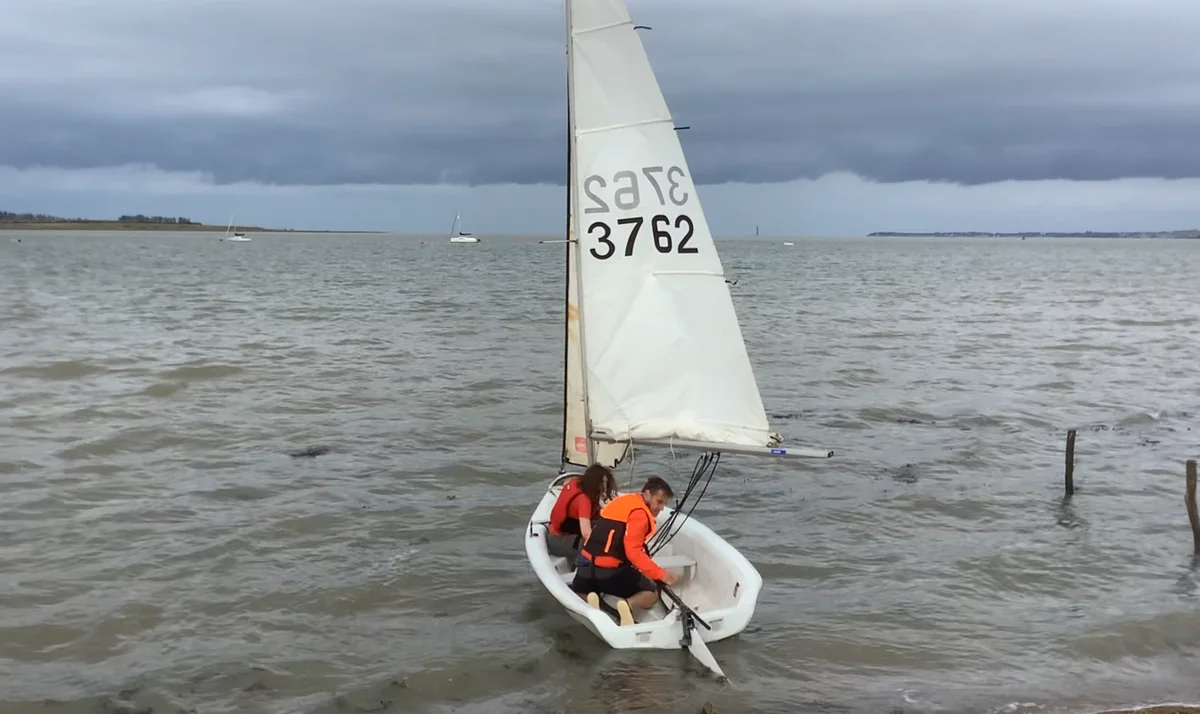
This outcomes exercise is designed to help you identify the steps that you could and possibly should take to have a pleasant and enjoyable journey, and then successfully complete your goal.
Final Thoughts
As usual, if you don't think you've got much out of this, it'll probably be helpful to get more personal input from someone experienced in this kind of work.
Try to surprise yourself. Some of your permutations may not be feasible or sound utterly wrong, and that's only going to confirm if you've made up your mind, but you may be taken aback by truth you stumble across.